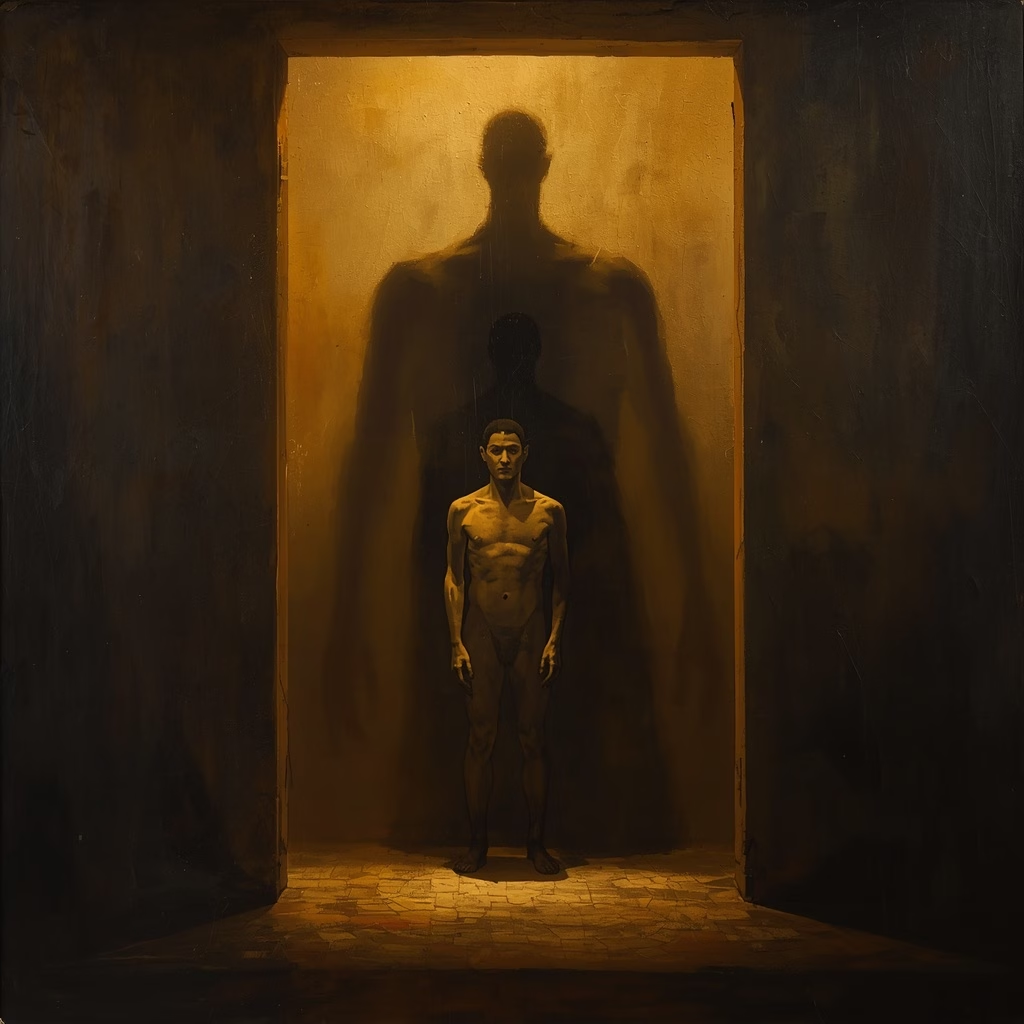
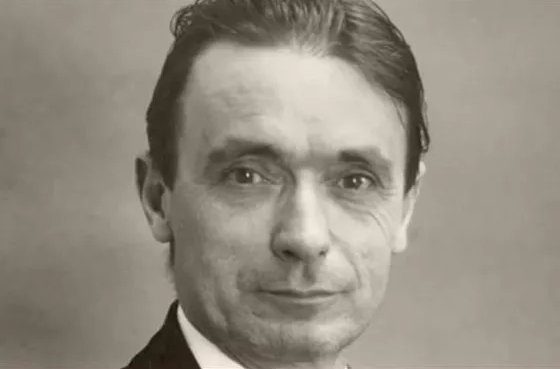
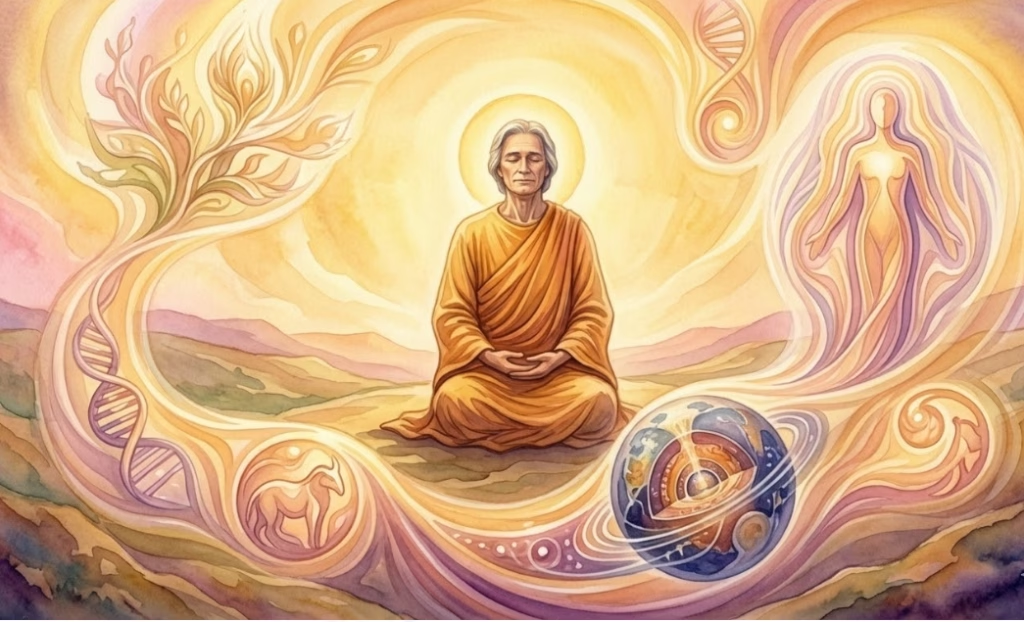
Many people today seek authentic meaning. They also search for genuine knowledge and true inner freedom. Our modern world often presents confusing paths. Yet, a profound guide exists within the activity of our own minds. Rudolf Steiner, in his seminal work The Philosophy of Freedom (also known as Intuitive Thinking as a Spiritual Path), illuminates this guide. He shows how developed thinking can become a spiritual path. This path leads to direct spiritual perception. It also leads to ethically sound, free actions. Understanding Rudolf Steiner’s intuitive thinking offers powerful tools for self-development. This article explores Steiner’s revolutionary insights. It shows how we can cultivate a “thinking with the heart.” This leads to both clear insight and genuine human liberty.
Challenging the Limits: Steiner’s View on Human Knowledge
Modern thought often assumes limits to human knowledge. Philosophers like Kant spoke of an unknowable “thing-in-itself.” This suggested a reality forever beyond our grasp. Rudolf Steiner challenged this view directly. (See GA 3, Truth and Knowledge, and GA 4, The Philosophy of Freedom). He argued that the world is a unified whole. It is, therefore, fully accessible to human knowing. The apparent limits are not fixed. Instead, they are boundaries we can expand through inner development.
Steiner rejected a purely passive view of knowing. He showed that the human spirit plays an active role in cognition. We are not mere mirrors reflecting an external world. Our thinking activity actively participates in constituting reality as we experience it. This active participation is key. It is the key to overcoming perceived limitations. It is also the key to understanding our own freedom.
The Two Sides of Reality: Percept and Concept
To understand Steiner’s path to knowledge, we must grasp two fundamental elements. These are the percept and the concept.
- A percept is the immediate content of our sensory experience. It is what our eyes see, our ears hear, our hands touch. Percepts are the given, outer aspect of the world. They appear to us as a stream of disconnected impressions.
- A concept is the inner, ideal aspect of reality. It is grasped not by the senses, but by thinking. Concepts bring order and meaning to percepts. For example, we see various shapes and colors (percepts). Through thinking, we form the concept “tree.” This unites those percepts into a meaningful whole.
According to Steiner, reality only arises for us through the union of percept and concept. A percept without a concept is meaningless. A concept without a percept is a mere abstraction. It is our thinking activity that bridges this apparent gap. Thinking actively brings the right concept to the percept. In this process, the world reveals its full reality to us. This is a central tenet of Steiner’s epistemology.

Thinking: The Unobserved Spirit in Action
For Rudolf Steiner, thinking is not merely a product of the physical brain. It is not just a passive reflection of external stimuli. Instead, thinking is a spiritual activity. It is an active, inner process. It is the direct expression of our spiritual core, our ‘I’. (See GA 4, The Philosophy of Freedom).
However, we usually overlook thinking itself. We focus on the objects of our thoughts. We do not observe the process of thinking. Steiner calls the observation of one’s own thinking an “exceptional state.” It is the crucial starting point for his philosophy of freedom. By turning our attention inward, we can begin to experience thinking as a living, dynamic force. We can see it as an inner organ of perception. This organ allows us to apprehend the world of ideas and concepts directly. This is a world just as real as the world of sensory objects. Developing this capacity is vital for modern spiritual seekers.
Intuitive Thinking: Grasping Ideas in Their Living Essence
When thinking becomes strong and independent enough, it can rise to what Steiner calls intuition. In his specific terminology, intuition is not a vague hunch or feeling. It is the conscious experience of a pure concept within the spiritual world. It is a direct beholding of an idea in its living essence. This occurs through thinking itself. (GA 4, Chapter 9, “The Idea of Freedom”).
Through intuitive thinking, the separation between the knower (subject) and the known (object) is overcome. The thinker becomes one with the idea. There is no longer a “representation” of an idea. There is a direct, living participation in the idea itself. This capacity for intuition is the foundation for both true, objective knowledge and for genuinely free action. It means our thinking can touch the spiritual core of reality. This is a powerful idea for those seeking authentic spiritual experience.
Cultivating Intuitive Thinking
Steiner did not present intuitive thinking as an easily attained faculty. It requires inner discipline. It requires the cultivation of clear, focused thought. It also involves freeing thinking from its habitual reliance on sensory impressions alone. This leads to what he terms “pure thinking.” This is thinking that engages directly with the world of concepts. This active inner work gradually transforms thinking. It changes it from a reflective tool into an organ of spiritual perception.

The Path to True Freedom: Moral Intuition and Ethical Individualism
Rudolf Steiner’s Philosophy of Freedom culminates in a radical understanding of human freedom. True freedom, for Steiner, is not simply the absence of external constraints. It is not mere arbitrary choice, or doing whatever one desires. Instead, genuine freedom arises when our actions are born from moral intuitions.
What is Moral Intuition?
A moral intuition is a specific kind of intuitive insight. It is the direct grasping of the right ethical action in a particular, concrete situation. This insight springs from the individualized ‘I’. It is not derived from general moral rules. It does not come from external commandments. It also does not come from social conventions or ingrained habits. The free human being, through moral intuition, perceives what is needed in a given moment. They then act out of love for that specific, intuitively grasped deed.
Ethical Individualism
This leads to what Steiner termed ethical individualism. The source of morality lies within the individual human spirit. Each person has the potential to become a free moral agent. They can create their ethical principles from their own deepest insights. This does not mean moral anarchy. It means that moral action becomes an expression of individual spiritual maturity and love. It is a love for the action that one has oneself determined to be right. This is a challenging but empowering vision for modern ethical life.
Moral Imagination and Moral Technique
To act freely requires more than just moral intuition. It also requires:
- Moral Imagination: This is the capacity to creatively picture new ethical ideals. It means being able to envision possibilities for action that go beyond the conventional.
- Moral Technique: This is the ability to translate these moral ideals into concrete reality. It involves understanding the world. It also involves having the skill to bring about the intended change.
A truly free act, therefore, flows from an intuitively grasped ideal. This ideal is creatively envisioned. It is then skillfully put into practice. This makes freedom a developmental achievement. It is not a given state.
“Thinking with the Heart”: Integrating Intellect, Feeling, and Will
The phrase “thinking with the heart” can capture an essential quality of Steiner’s path. While The Philosophy of Freedom presents a rigorous philosophical argument, the outcome is not cold intellectualism. The intuitive thinking it describes is a living process. It engages the whole human being.
When moral intuitions arise, they are not abstract principles. They are often accompanied by a warmth of feeling. This is a love for the deed that is to be done. The “heart” here symbolizes the human center. It is where thinking, feeling, and willing can unite in a harmonious way. Clear, intuitive thinking provides the insight. Warm, moral feeling provides the motive. A strong, dedicated will carries the deed into execution. This integration is key for genuine spiritual activity. It prevents thinking from becoming dry and abstract (Ahrimanic). It also prevents feeling from becoming vague and sentimental (Luciferic). This balanced approach is crucial for spiritual seekers.
Achieving Freedom: A Developmental Journey for Every Seeker
Rudolf Steiner makes it clear that freedom is an achievement. It is a high ideal towards which humanity and each individual can strive. He outlines stages of moral development. These range from actions based on pure instinct or external authority, to actions based on conventional morality, and finally to actions born from free moral intuition. (GA 4, Chapter 9).
The path to freedom involves:
- Conscious Self-Observation: Especially observing one’s own thinking processes and motivations.
- Cultivating Clear, Independent Thinking: Freeing thought from unexamined assumptions and external influences.
- Nurturing Moral Imagination: Actively envisioning new ethical possibilities.
- Striving for Moral Intuitions: Seeking direct insight into what is right in each unique situation.
This path is profoundly relevant for modern individuals. Many seek meaning and purpose in a world of conflicting values. Steiner’s philosophy offers a way to find an inner moral compass. It helps to act with authenticity and conviction. It connects individual freedom with universal spiritual truths. The Christ impulse, in Steiner’s broader cosmology, can be seen as the ultimate source of the power that enables the human ‘I’ to achieve such freedom and to act out of pure love. The development of the free human spirit, capable of moral intuition, is indeed a path towards realizing the Christ potential within humanity.
Conclusion: Intuitive Thinking as a Lifelong Spiritual Path
Rudolf Steiner’s Philosophy of Freedom is more than a philosophical treatise. It is a guide to inner development. It lays the foundation for a true science of the spirit. It shows how human thinking, when cultivated, can become an organ of spiritual perception. This “Rudolf Steiner intuitive thinking true freedom philosophy” leads to genuine knowledge. It also leads to ethically grounded, free actions.
This path empowers us. It shows that the capacity for spiritual insight and moral freedom lies within each of us. It is not dependent on external authority. It relies on our own inner activity. For modern spiritual seekers, this work offers a way to navigate life’s complexities with clarity. It helps us find purpose. It allows us to contribute to the world out of our deepest, self-determined truths. The journey towards intuitive thinking and true freedom is a lifelong adventure. It is an adventure of becoming fully human.