Introduction: Hero Myths Across Cultures
Hero myths resonate deeply within the human soul. Cultures worldwide tell stories of extraordinary individuals. These heroes embark on perilous quests. They confront monstrous adversaries. They overcome daunting trials to achieve a great goal. Modern interpretations often view these tales as entertainment, distorted history, or simple allegories for external challenges. However, Rudolf Steiner’s spiritual science, Anthroposophy, offers a much deeper perspective. The Steiner hero myths interpretation reveals these narratives as profound, imaginative pictures. They depict the universal inner journey of the human soul. They map the landscape of inner struggle, transformation, and spiritual development. Understanding inner struggle myths through Anthroposophy unlocks their timeless relevance. They become guides for navigating our own inner battles and potential for growth.
Myths as Living Pictures of Soul Realities
Steiner consistently emphasized that ancient myths are not primitive fictions. They originated from an earlier form of human consciousness. This consciousness perceived spiritual and soul realities directly, often through powerful, dreamlike imagery. Myths became the natural language for conveying these inner experiences. Therefore, hero myths are not just stories about external adventures. Primarily, they are symbolic yet accurate portrayals of processes occurring within the human soul and spirit. The landscapes, characters, and events in these myths correspond to inner faculties, challenges, and stages of development. The hero archetype represents the core human potential striving for self-mastery and spiritual awareness.
The Hero Figure: The Developing Human ‘I’
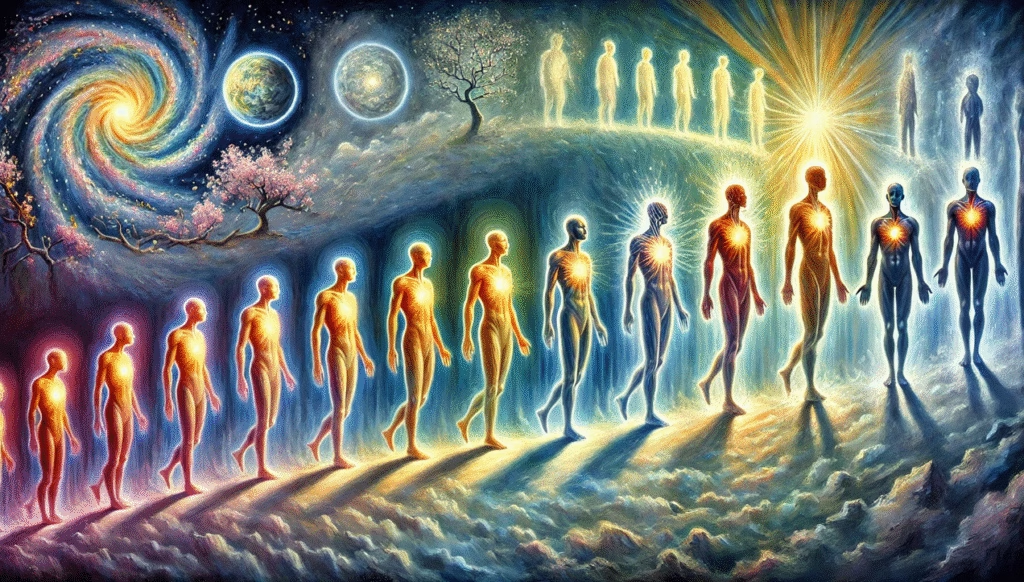
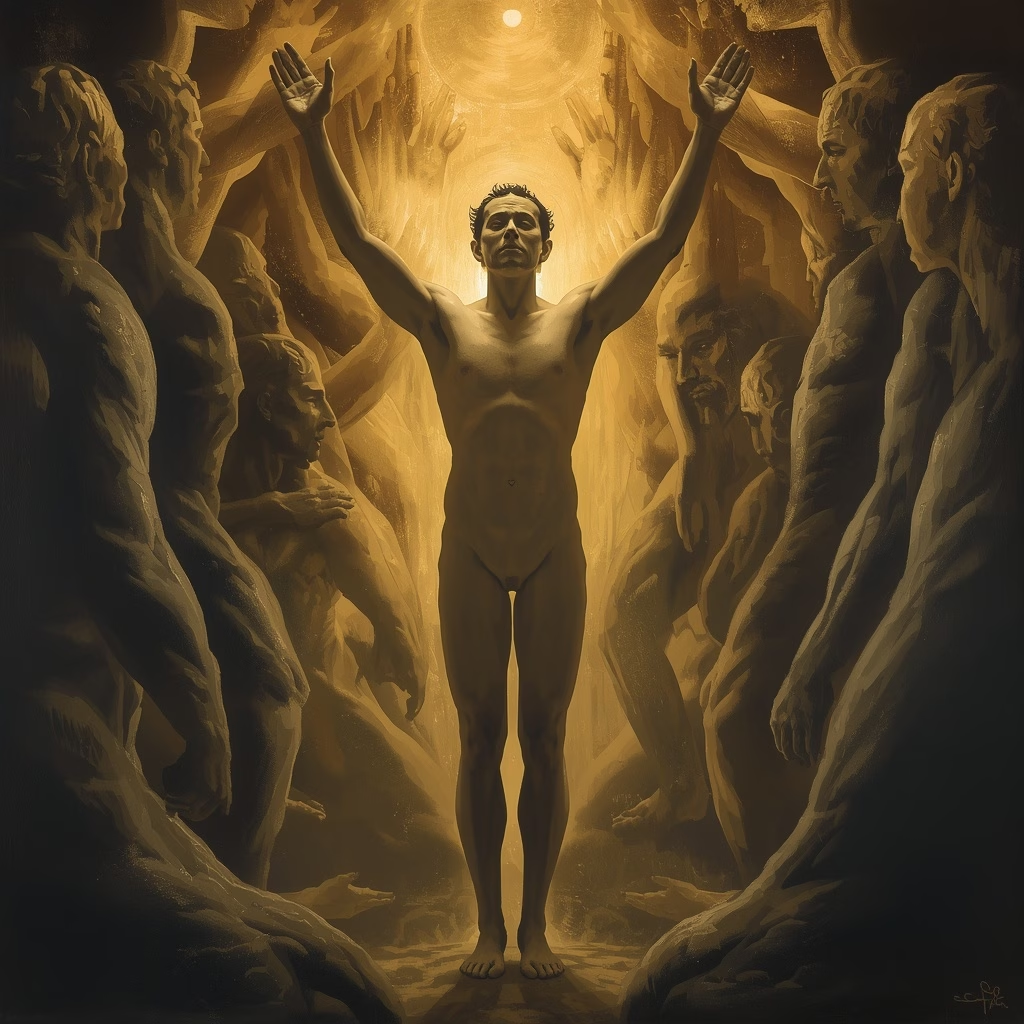
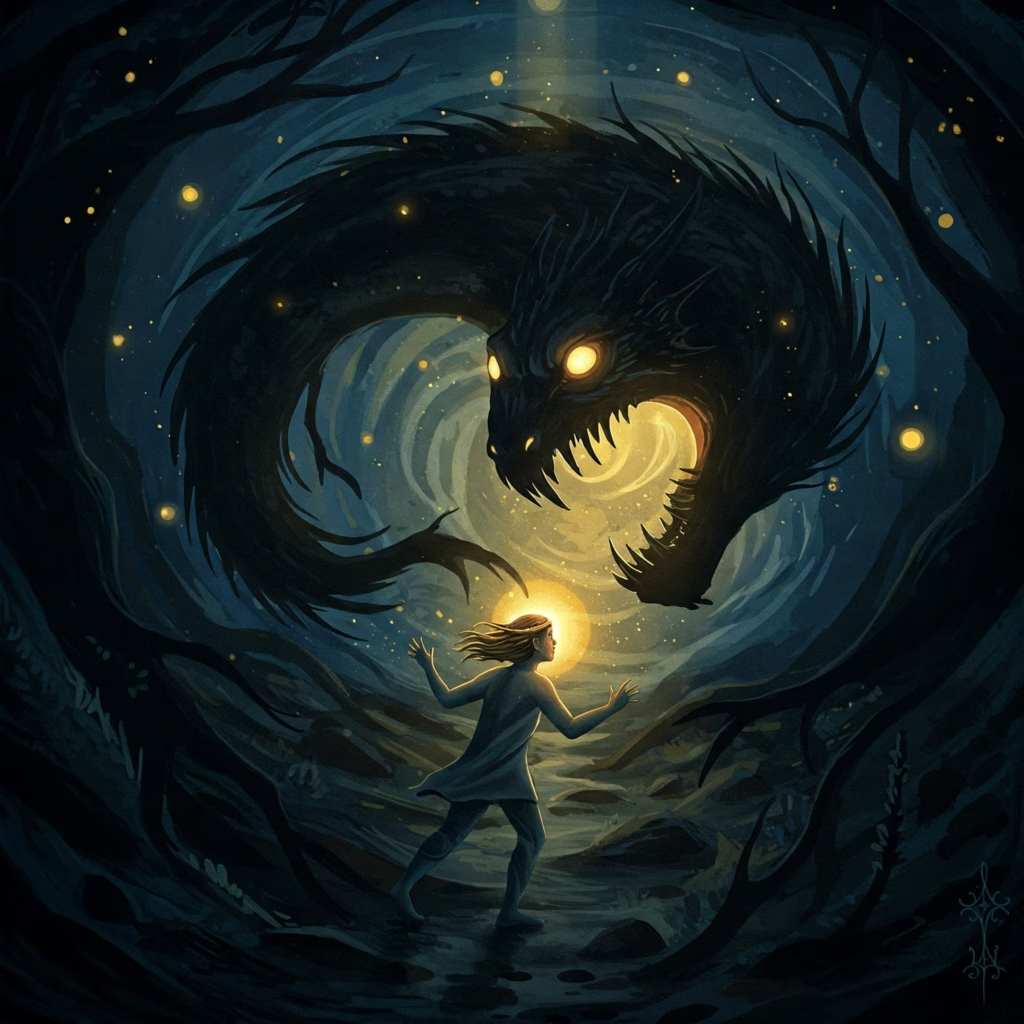
Who is the hero in these ancient stories? From Steiner’s perspective, the hero – whether Theseus, Siegfried, Perseus, Heracles, or similar figures across cultures – fundamentally represents the developing human ‘I’ or Ego. The ‘I’ is the unique spiritual core within each person. It is the center of self-consciousness, freedom, and spiritual potential. The hero’s journey symbolizes the Ego’s essential task during earthly evolution. This task involves awakening to self-awareness. It requires differentiating oneself from purely instinctual or group consciousness. It necessitates confronting and mastering the lower aspects of one’s own nature. It involves navigating the complex challenges of life to achieve higher levels of understanding and moral strength. The hero embodies the active, striving principle within the human soul, seeking to realize its divine potential amidst earthly trials.
Monsters and Adversaries: Personified Inner Obstacles
Nearly every hero myth involves confrontation with fearsome adversaries. These may take the form of dragons, giants, monstrous beasts, wicked sorcerers, or deceptive spirits. Steiner explained that these figures, while sometimes reflecting external difficulties or adversarial spiritual beings in the cosmos, primarily represent inner obstacles within the human soul itself. The Hero battling the monster described is essentially the human ‘I’ struggling with its own lower nature.
- Dragons and Beasts: Often symbolize powerful, untamed instinctual forces, base passions, greed, or materialistic desires rooted in the lower astral body. Slaying the dragon represents gaining mastery over these impulses through conscious effort and will.
- Giants or Titans: May represent older, sluggish soul forces, inherited tendencies, or intellectual pride that resists spiritual development.
- Sorcerers/Enchantresses: Can depict the power of illusion, deceptive thinking (perhaps related to Luciferic or Ahrimanic influences), or soul forces that lure the ‘I’ away from its true path through glamour or temptation.
- Guardians of Thresholds: Figures barring the way often symbolize specific soul trials that must be overcome to reach a new level of consciousness or gain access to deeper spiritual knowledge.
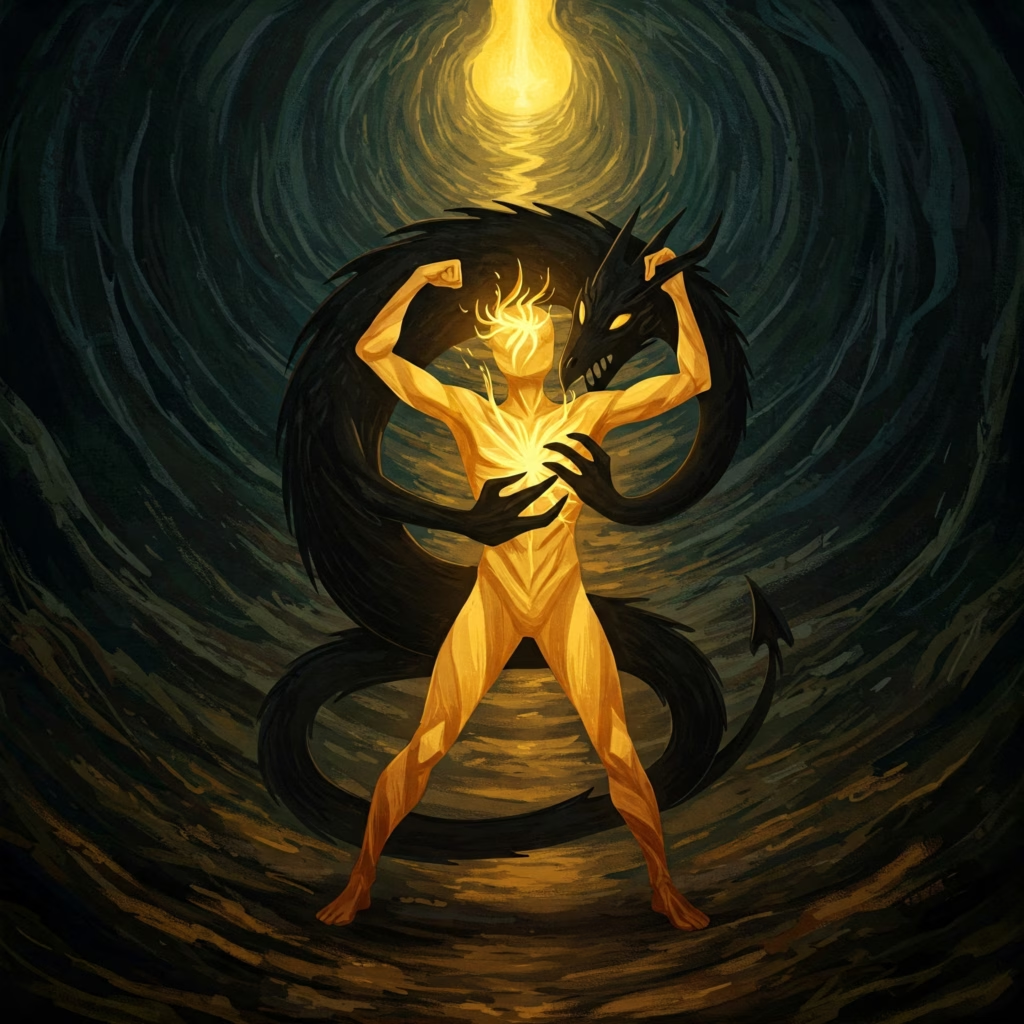
Therefore, the dramatic battles in hero myths vividly portray the inner work required for overcoming lower self Steiner saw as essential for spiritual progress. They are pictures of the ‘I’ wrestling with its own astral inclinations, fixed thought patterns, and karmic predispositions.
The Quest: An Initiation Path
The hero’s journey – leaving the familiar world, undertaking a perilous quest, facing trials, and seeking a specific goal (a treasure, a rescued princess, a sacred object) – forms a powerful archetype. Steiner interpreted this entire quest structure as a symbolic representation of the Initiation path myths Steiner often described. Initiation, in the spiritual-scientific sense, refers to the methodical path of inner development. It awakens latent spiritual faculties and allows conscious entry into supersensible worlds. The hero’s journey mirrors this process:
- Departure: Represents the soul turning away from ordinary consciousness and worldly attachments to embark on the inner path.
- Trials and Thresholds: The specific challenges faced by the hero correspond to the necessary soul exercises and moral tests encountered during genuine spiritual training. These trials develop specific inner capacities. For instance, solving riddles (like Oedipus confronting the Sphinx) develops discernment. Performing arduous labors (like Heracles) strengthens the will and purifies the soul forces. Facing terrifying guardians requires courage and inner steadfastness. These are necessary steps to cross thresholds into higher awareness.
- Confronting the Shadow: The central battle with the main adversary (the dragon, the Minotaur-like beast) symbolizes the crucial confrontation with one’s own deepest shadow aspects, the core of the lower self, which must be faced and transformed.
- Attaining the Goal: Reaching the treasure, rescuing the princess (who often symbolizes the purified soul or Sophia/Wisdom), or achieving the quest’s objective represents the attainment of a higher state of consciousness, initiation, or the integration of spiritual knowledge.
- Return: The hero often returns to the ordinary world, bringing back the ‘boon’ – the wisdom or power gained – to benefit the community. This reflects the initiate’s task of placing spiritual insights into service for humanity.
The hero myth thus serves as an imaginative map of the Esoteric interpretation hero’s journey.
Divine Assistance and Guiding Wisdom
Heroes rarely succeed alone. They often receive crucial help from divine beings (like Athena guiding Odysseus), wise mentors, or through magical tools or guidance (like Ariadne’s thread for Theseus). Steiner interpreted this element as representing the essential role of grace and guidance from the spiritual world on the path of inner development. The striving human ‘I’ cannot achieve transformation solely through its own efforts. It requires assistance from higher spiritual hierarchies, the inspiration of intuition (symbolized perhaps by Ariadne’s thread leading through the confusing labyrinth of the lower soul), or the awakening of purified soul forces. This divine aid underscores that human development is ultimately a cooperative process between the individual and the guiding powers of the cosmos.
The True Goal: Inner Mastery and Spiritual Service
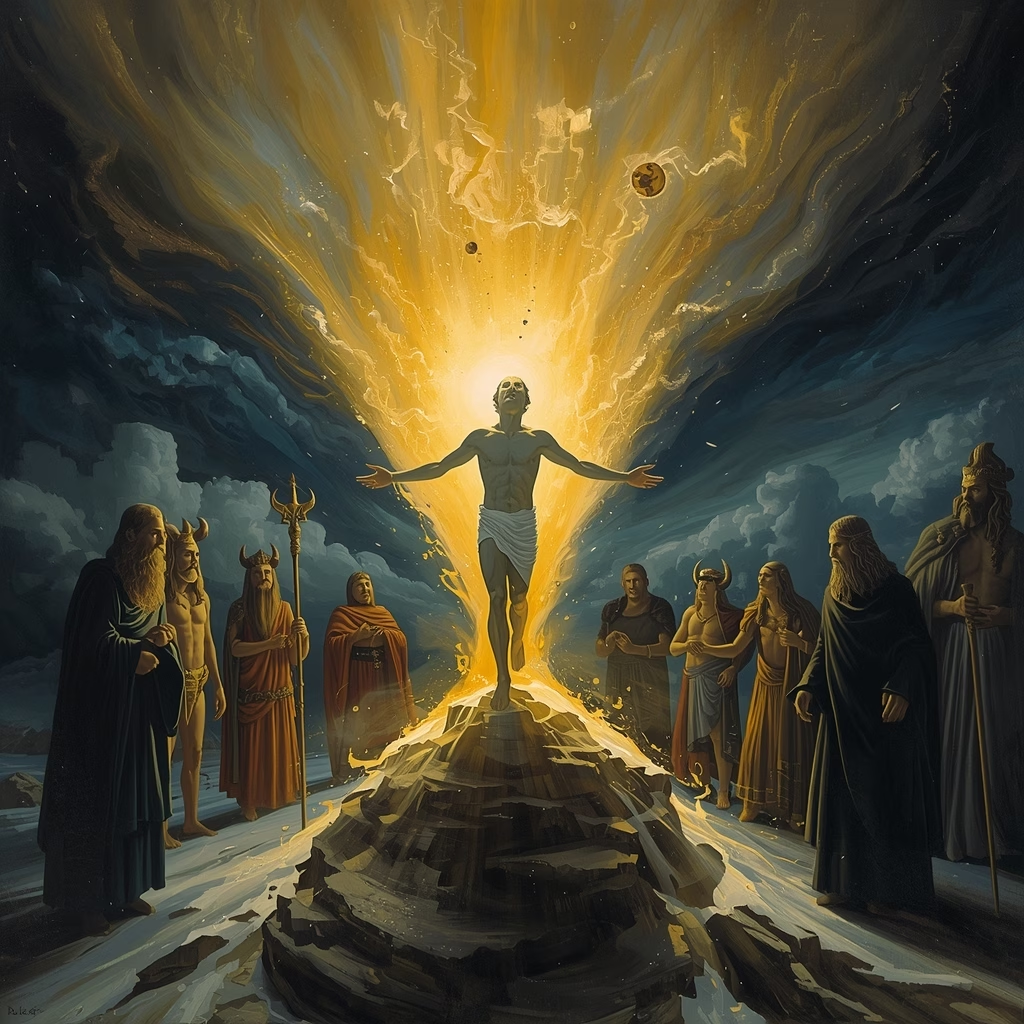
What is the ultimate meaning of the hero’s victory? From Steiner’s perspective, slaying the monster or winning the kingdom symbolizes far more than external triumph. The Spiritual meaning of hero myths reveal lies in achieving inner mastery. The hero integrates the higher self. They gain control over the lower impulses. They attain spiritual knowledge and conscious awareness. The rescued princess often represents the liberated, purified soul, now capable of uniting with the victorious spirit (‘I’). The kingdom won represents self-mastery, the ability to rule one’s own inner world wisely. Importantly, true heroism culminates in service. The hero uses their attained strength and wisdom not just for personal gain, but to benefit their people or the world. This reflects the spiritual principle that higher knowledge brings greater responsibility.
Conclusion: Hero Myths as Guides for Today
Rudolf Steiner’s profound insights elevate hero myths far beyond simple stories. The Steiner hero myths interpretation reveals them as powerful psychological and spiritual dramas. They are mirrors reflecting the inner landscape of the human soul. They depict the universal struggle of the hero archetype – the human ‘I’ – striving for consciousness, freedom, and mastery over its own lower nature. The inner struggle myths describe are not confined to ancient times; they resonate deeply with our own challenges today. The monsters we face may wear modern guises – materialism, distraction, inner chaos, fear – but the fundamental battle remains the same. By understanding the Esoteric interpretation of the hero’s journey encoded in these timeless narratives through the lens of spiritual science, we gain invaluable maps for our own inner development. These myths remind us of the heroic potential within every human soul and the spiritual resources available to aid us in our quest for transformation and meaningful service in the world.
Relevant Lectures by Steiner:
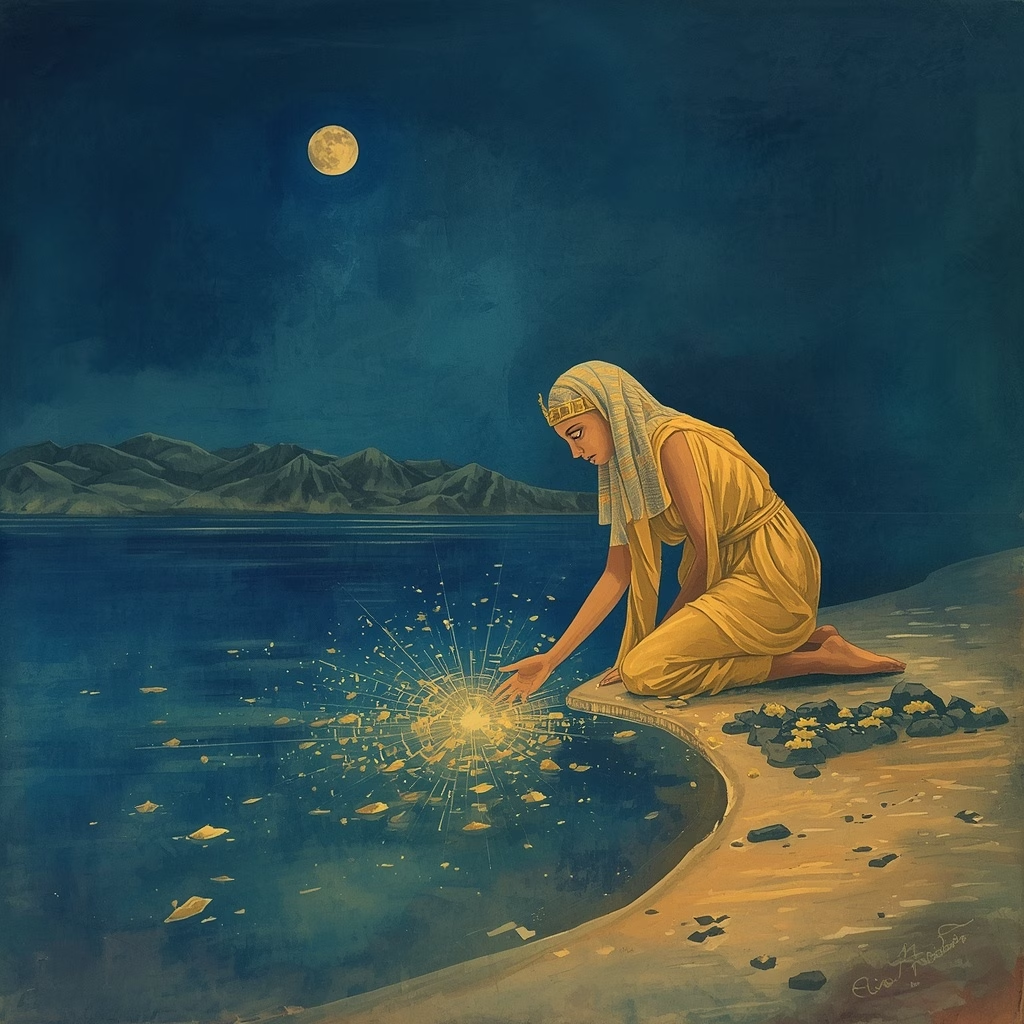
Egyptian Myths and Mysteries GA 106